DEPT. OF MECHNICAL ENGINEERING
About Department
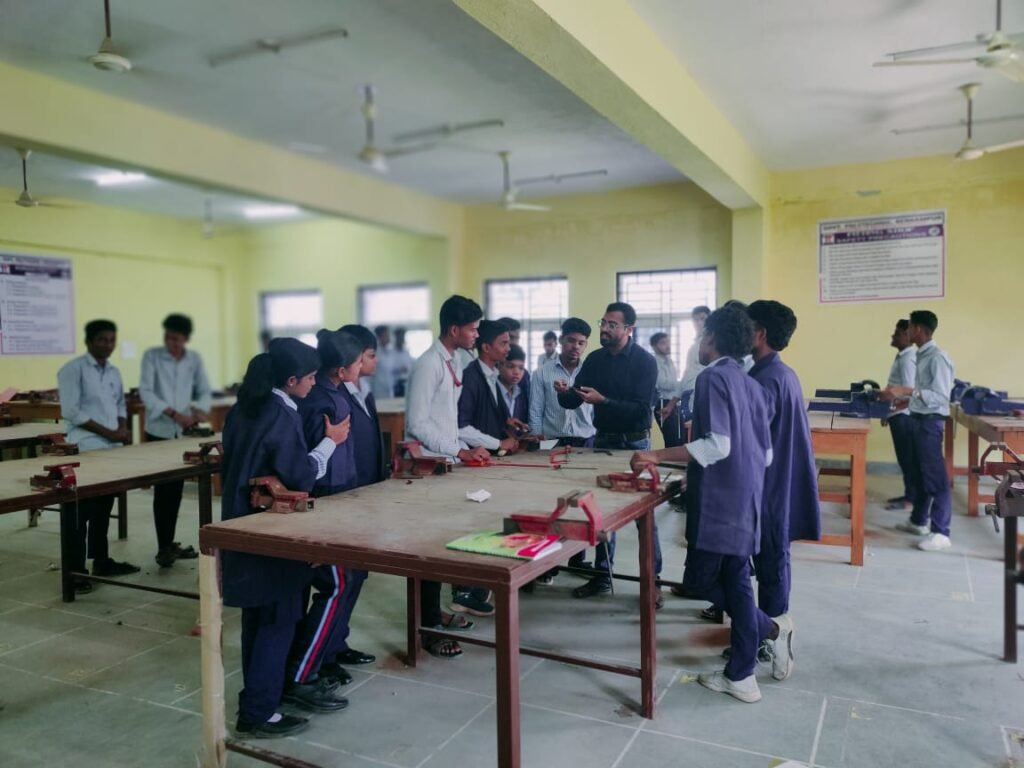
The Department of Mechanical Engineering was established in 2014. Since its inception, the department has been dedicated to fostering academic excellence among its students. The curriculum is meticulously designed to incorporate the latest technological advancements, ensuring that it aligns with national standards and industry requirements. The department has an intake capacity of 60 students. providing quality education and hands-on training to future mechanical engineers.
Vision & Mission
VISION:
To be proficient in mechanical engineering and to dream out highly qualified and innovative me-chanical engineers al well as entrepreneurs, who can contributes enthusiastically to the technological and socio-economical advancementglobally.
MISSION:
Propagate quality education through strong fundamental concepts, problem solving skills to make the engineers globally competitive. To prepare the students for industry ready and for higher studies organizations/ institutions.
To encourage students for social awareness andresponsibility by knowledge
PROGRAM EDUCATIONAL OBJECTIVES (PEOs)
PE01:
To acquire the knowledge in mathematical, scientific & engineering fundamentals which will help them to achieve successful career in mechanical & interdisciplinary industries.
PE02:
To be self resilient in the field of design, thermal, and manufacturing industries for solving industry & social related problems.
PE03:
To inculcate & engage in life long learning with ethical & social responsibility
PO
3. Design/development of solutions:
Design solutions for well-de-fined technical problems and assist with the design of systems components or processes to meet specified needs.
PROGRAM SPECIFIC OUTCOMES (PSOS)
PS01:
Students will be able to implement necessary advanced skills for design, analysis and fabrication of components used in the field of Mechanical Engineering.
PS02:
An ability to find out the local industrial prob-lem and solve them with the use of Mechanical Engineering technologies for better outcomes.
PS03:
Solicit the contextual knowledge of Mechanical Engineering to assess societal, environmental, health and and safetyy issuess byby adopting professional ethics.
Time Table
| #Sl. | Title | Action |
|---|---|---|
| 1 | Time Table 2024-25 | Download |
Syllabus
| #Sl. | Title | Action |
|---|---|---|
| Download |

Mr.Sarat Kumar Biswal
H.O.D(I/C), Sr.Lect(Mechanical) 24 years teaching experience BE(Mechanical)

Ms. Tapati Panigrahy
Lecturer Stage-II (Regular) 10 years Teaching Experience B.Tech(Mechanical)

Mr. Pradeep Kumar Padhy
Guest Faculty 10 years Teaching Experience B.Tech(Mechanical)

Mr. Nilamadhaba Sabat
Guest Faculty 3 year Teaching Experience B.Tech(Mechanical)

Mr Amiya Kumar Singh
Lab Assistant (Regular) (3 years Experience) Diploma(Mechanical)

Puja Swain
Lecturer stage-II,Mechanical
M.tech(Machine Design & analysis)
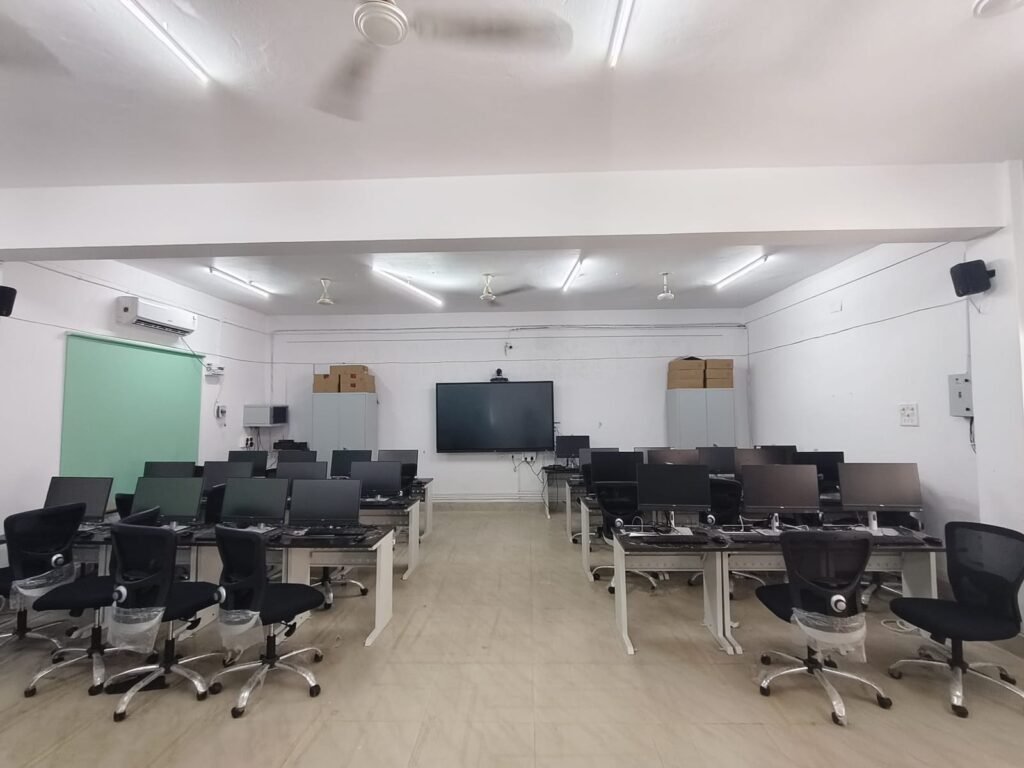
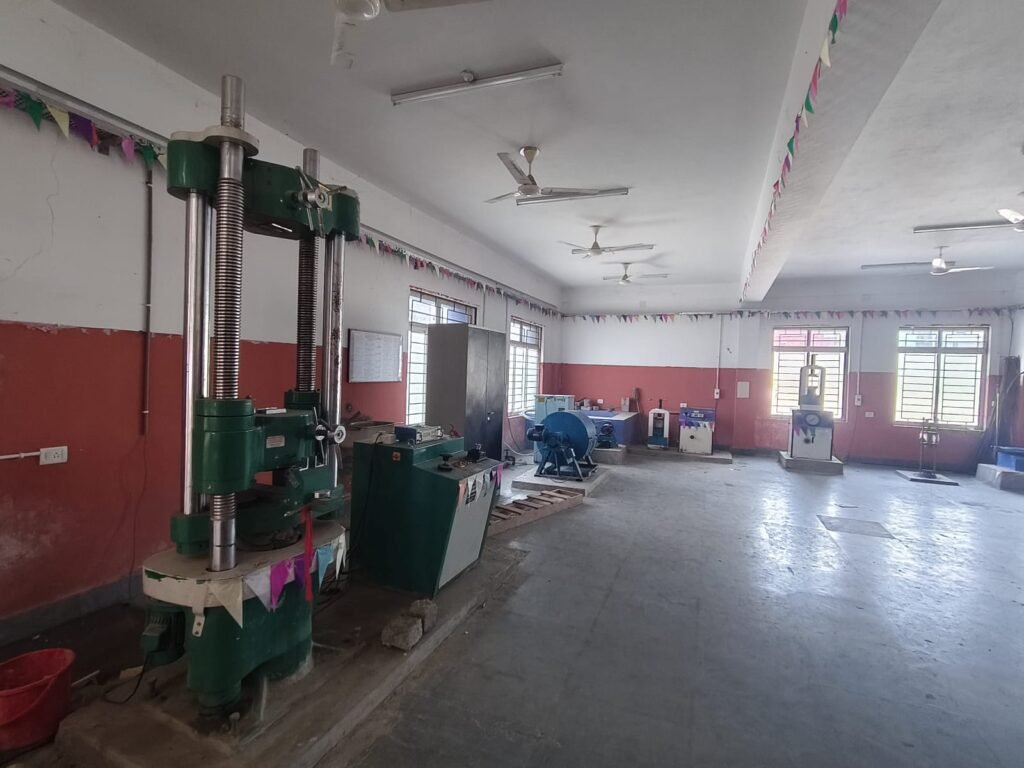
Laboratory
RAC LABORATORY:
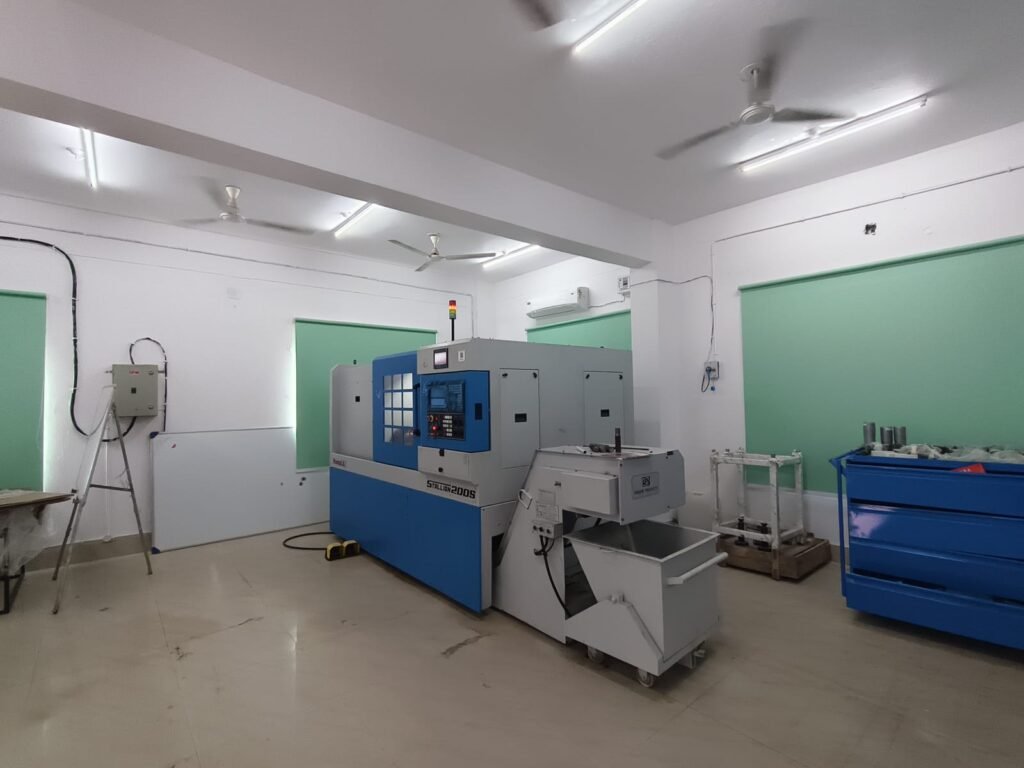
MACHINE SHOP LABORATORY:
Proctor System & PTM
Seminar & Industry Visit
| #Sl. | Title | Action |
|---|---|---|
| Download |